
From the frontlines: A growing healthcare crisis
From the frontlines: A growing healthcare crisis “Often we have to paper over the cracks of untreated conditions and… Read More
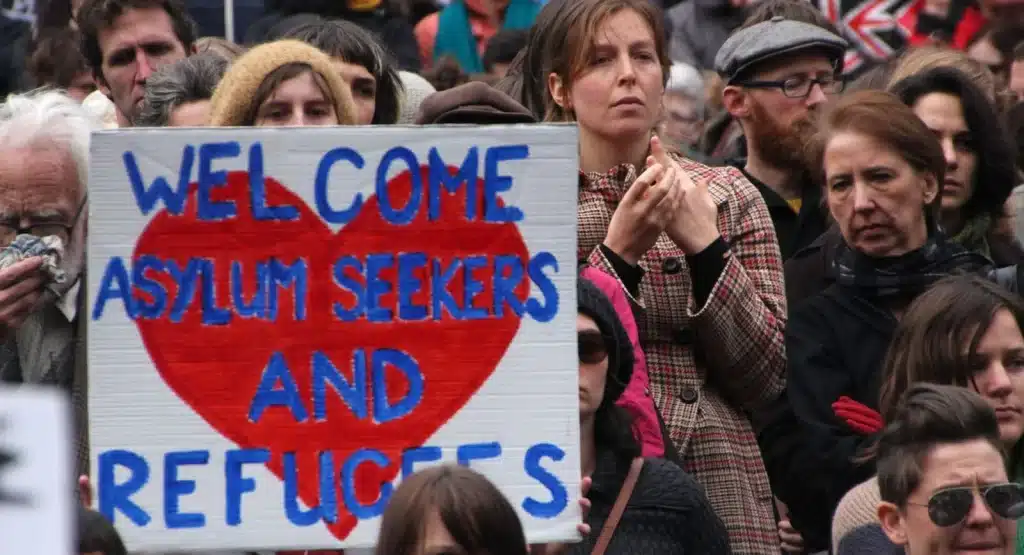
Every year on 21 March, the International Day for the Elimination of Racial Discrimination calls on us to reflect on the persistence of racism and strengthen global action against it.
In Australia, this reflection must include the lived experiences of people seeking asylum. These are people who arrive with hope, resilience, and a desire to rebuild their lives, yet too often are met with systems that exclude, marginalise, and discriminate.
For people seeking asylum, racism is embedded in policies, processes, and everyday barriers. From prolonged visa uncertainty to restricted access to services, the system itself creates vulnerability.
As Dleen Yousifi, Complex Caseworker at the Asylum Seekers Centre, explains, “From my experience supporting complex cases at the Asylum Seekers Centre, people seeking asylum face years of delays, confusing processes, and barriers that leave them excluded and stressed.
“Many are denied healthcare, employment, and essential services, leaving them in prolonged uncertainty.
“The system is overwhelming. It’s an inherently discriminatory system shaped by racism, designed to make life as hard as possible, to deter, punish, and wear people down.”
These barriers are felt in everyday interactions that strip people of dignity and belonging. One Asylum Seekers Centre community member, Ravi*, shared: “I felt humiliated and like a criminal. They kept telling me I wasn’t eligible, to go home, despite having an appointment and waiting for weeks to attend.”
Racism in the health system can have life-or-death consequences. Emily Cumming, Health Clinic Manager at the Asylum Seekers Centre, says: “When people are afraid to present to tertiary health facilities during a health crisis because of anticipated racism and mistreatment, or fear financial burden due to their appearance, the consequences can be fatal. Racism in the health system is not only unfair, the consequences can be dire.”
Systemic racism also blocks people from rebuilding their lives through work. Despite skills and determination, many are overlooked in employment.
Fatima Rahmati, Employment Services Coordinator at the Asylum Seekers Centre, sees this firsthand.
“People seeking asylum bring valuable skills and a fierce dedication to work, yet too often face overt and systemic racism when seeking employment,” she says. “We have seen qualified candidates overlooked due to assumptions about ‘Australian experience’ or cultural fit.
“Employment is an investment in individuals, families, and society. Excluding people seeking asylum from meaningful work not only deepens their sense of alienation and denies them belonging, but also causes Australia to miss out on a wealth of talent and potential.”
Discrimination is reinforced through lawmaking and policy decisions that continue to infringe on the rights of people seeking asylum, punishing them simply because of where they were born.
Mark Johnson, Advocacy Lead at the Asylum Seekers Centre, highlights this disparity: “The government should set the standard when it comes to the treatment of people seeking asylum in Australia and yet they repeatedly fall short.
“Whether removing key legal rights that would be afforded to Australian citizens, denying access to a meaningful safety net, or simply treating them with suspicion rather than compassion, active discrimination against people seeking asylum is littered throughout the system.”
At its core, racism within the asylum system is about more than exclusion – it is about the denial of dignity, safety, and humanity. It shapes every stage of the journey, compounding trauma rather than alleviating it.
Elijah Buol, CEO of the Asylum Seekers Centre, reminds us why this day matters: “Racism is not a relic of the past, it continues to shape the safety, opportunities, and dignity of people seeking protection in Australia.
“People seeking asylum arrive carrying hope for freedom and a life without fear, yet too often they are met with institutional and systemic racism that deepens trauma and denies their humanity.
“Eliminating racial discrimination is not symbolic work; it is essential to creating a society where people can truly thrive, belong, and contribute to the shared future we all deserve.”
Dismantling systemic racism demands policy change, accountability, and a genuine commitment to fairness and inclusion.
Because a truly just society is one where everyone, regardless of where they come from, has the opportunity to live with dignity, contribute their talents, and feel that they belong.
From the frontlines: A growing healthcare crisis “Often we have to paper over the cracks of untreated conditions and… Read More

In search for safety “We just want safety and a chance to start over.” When Lily* sought safety in Australia,… Read More
"*" indicates required fields