
From Aussie, Aussie, Aussie, Oi, Oi, Oi to Out, Out, Out: Labor passes temporary visa legislation
Sydney, 12 March 2026 — Following the passage of a new law which creates powers to temporarily block travellers from… Read More
Written by Mark Johnson, Advocacy Lead at Asylum Seekers Centre
Every year on 10 December, Human Rights Day gives us a moment to pause and reflect on the importance of our fundamental rights and freedoms and the challenges they face today. This day marks the anniversary of the Universal Declaration of Human Rights (UDHR) in 1948, a document that still forms the backbone of modern human rights law.
Its opening recognition – that “the inherent dignity of all members of the human family is the foundation of freedom, justice and peace in the world” – remains as relevant today as it was then.
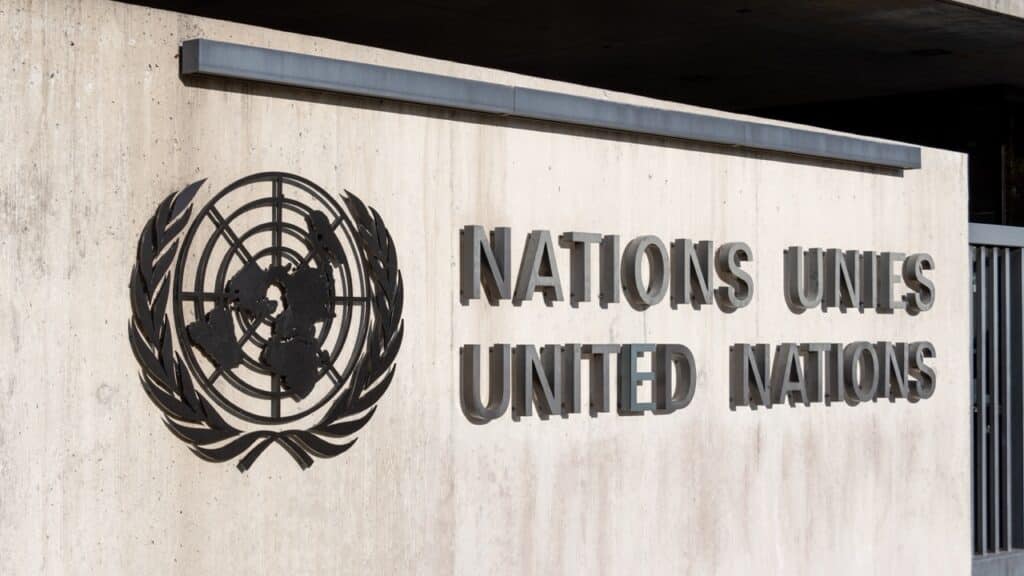
Australia has good reason to feel proud of the role it played in shaping that document. Australian lawyers and advocates such as Dr Herbert Vere (HV) Evatt, Colonel William Roy Hodgson, and the only woman in Australia’s delegation to the United Nations, Jessie Street, were instrumental in both the drafting and securing agreement on the final text of the Declaration. HV Evatt was even elected the President of the General Assembly at the time of the vote by the UN to accept the UDHR.
This history is an important reminder that Australia once stood at the forefront of global human rights leadership.
Yet, over the past 25 years, that legacy has been challenged, particularly in the treatment of people seeking asylum.
Policies like offshore processing have not only harmed people, but have also influenced other nations to adopt similar approaches. The practice of “third-country processing”, first implemented by Australia on Nauru, has since been echoed in the approaches of the United States and is beginning to creep onto the agendas of many European governments, despite Europe’s robust human rights frameworks.
Last month, the Asylum Seekers Centre joined colleagues from across the Australian refugee sector at a roundtable with Judith Sutherland, Human Rights Watch’s Associate Director for Europe and Central Asia. The discussion focused on the escalating challenges faced by refugees and people seeking asylum globally.
Together, we shared experiences and strategies for responding to the increasingly punitive and securitised landscape, including the threats to human rights posed by Australia’s new deportation deal with Nauru and the erosion of essential support systems for people seeking asylum here in Australia.
Reflecting on this, it’s hard not to think of HV Evatt again – not only as a key architect of the UDHR, but also as a former Labor Party leader whose commitment to human rights was central to his role in public life.
Having promised a more humane and compassionate approach towards people seeking asylum, there is an opportunity for the Labor government to honour Evatt’s legacy. This includes breaking with the trend of policies that demonise and dehumanise people seeking asylum and instead fulfilling the Labor Party’s promises around kindness, protecting human rights, and ensuring support for people seeking asylum here in Australia.
On this Human Rights Day, Australia should honour the country’s role in the creation of this foundational human rights agreement by protecting the fundamental right to seek asylum and properly supporting those who come to Australia seeking protection.
Sydney, 12 March 2026 — Following the passage of a new law which creates powers to temporarily block travellers from… Read More
Sydney, 10 March 2026 — In response to news that the Australian government is introducing new rules to block people… Read More
"*" indicates required fields